

Admin Admin
joe@logicsmd.com
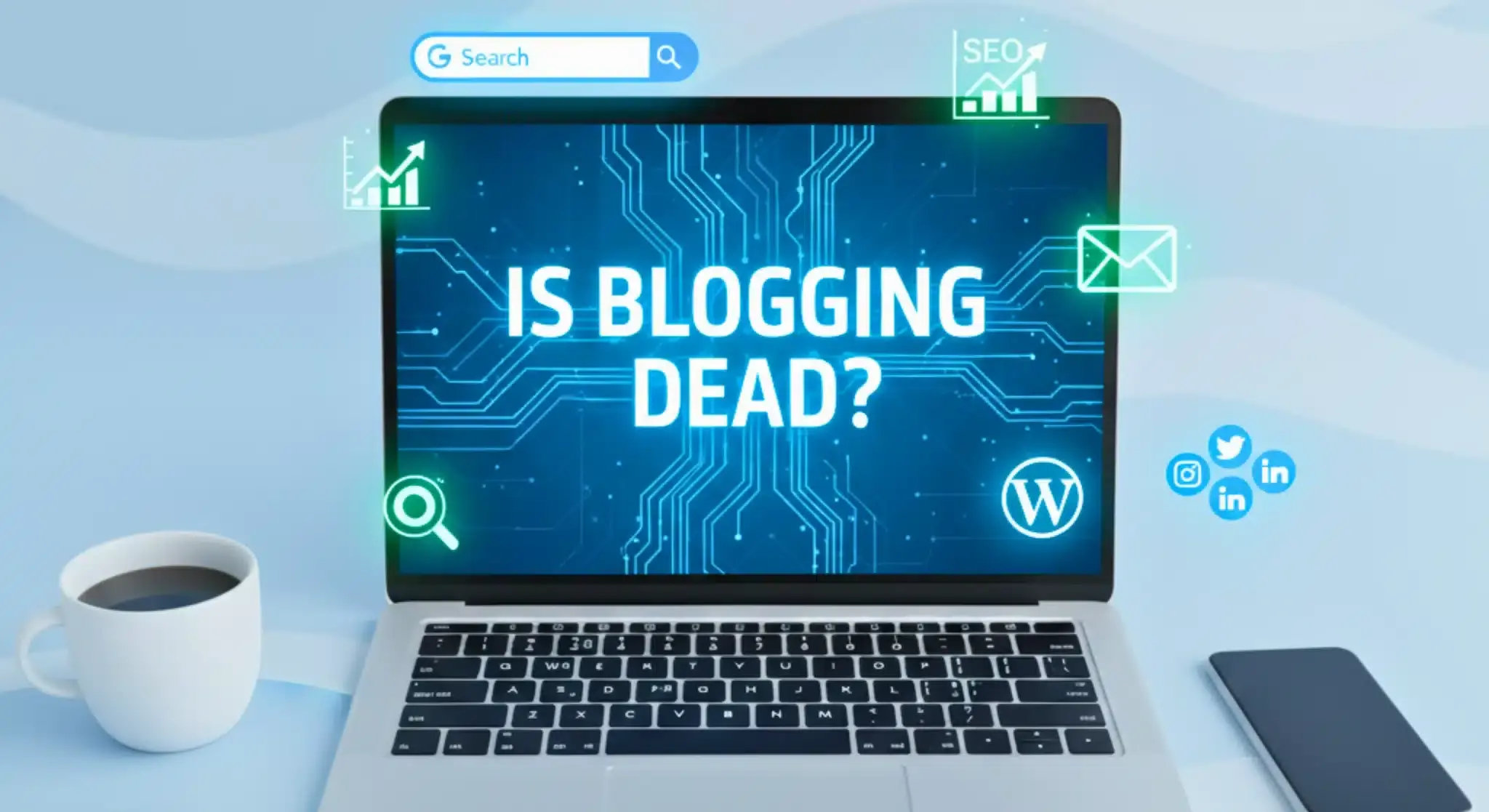
Are Blogs Dead in 2025?: What Medical Practices Should Really Know: If you’ve heard someone say “blogs are dead,” don’t feel alone. That phrase has been floating around for years.
But here in 2025, asking “Are blogs still relevant?” is like asking “Is email still useful?” — there’s some truth in the question, but the answer depends on how and why you use them.
So let’s cut through the hype and talk about what’s actually working for medical practices today.
The Origin of the “Blogs Are Dead” Meme
A few years back, some marketers declared blogs a dying channel. They pointed to short-form video and AI content as the “next big thing.”
And really, those formats are important.
But “blogs are dead” quickly became shorthand for “blogs aren’t the only thing anymore.”
That’s an overstatement.
Blogs didn’t die. They evolved.
Why People Think They’re Dead
There are a few reasons people say blogs don’t matter anymore:
- TikTok and Reels grab attention quickly
- AI can generate content in seconds
- Attention spans feel shorter
- People want instant answers
All of that is true to a degree.
But it doesn’t mean the format itself is gone — especially not for search engines and healthcare audiences.

What Blogs Still Do Better Than Anything Else
Here’s where the real difference shows up:
- Searchability
When someone Googles “symptoms of herniated disc” or “how long recovery after prostatectomy”, they expect a page they can read and trust. That’s still blogs.
- Depth
Short video and social posts work great for awareness. But when someone really wants to understand something, they want paragraphs, explanations, and clear detail.
- Authority
Google’s algorithms still favor content that demonstrates Expertise. Long-form blogs — when done right — signal that more than quick snippets.
- Evergreen Value
A good blog can drive search traffic for months and years. Social posts disappear in feeds. Blogs stick.
- Patient Education
Medical decisions aren’t impulse buys. Patients want clarity, reassurance, and trusted explanations. Blogs give space for that.
What Has Changed About Blogging in 2025
If you’re thinking about blogs like you did in 2015, that’s when people started saying they were dying.
Here’s what’s different now:
AI helps create drafts — but humans refine them.
AI can start the work, but it can’t replace expertise or experience.
Search intent is more important than ever.
Google doesn’t just want text — it wants relevance, accuracy, and depth.
Local focus matters.
For medical practices, blogs that speak directly to local patient concerns outperform generic content.
Structured data and featured snippets matter.
Blogs structured for SEO now have a real shot at being the answer Google shows at the top of search results.
What Actually Moves the Needle for Medical Practices
If your blog strategy is:
- A bunch of generic articles
- Pumped out once and forgotten
- Written without understanding patients
Then yeah — blogs feel dead.
But if your approach is:
- Patient-focused
- Search-intent aligned
- Reviewed by medical experts
- Updated over time
Then blogs are still one of the most reliable ways to get:
- Organic traffic that actually converts
- Higher visibility in search
- Patient education before contact
- Authority in your specialty
They’re not an add-on. They’re a foundation.
How Blogs Fit With Other Content Today
Social media and short video are great for awareness.
Email newsletters help with retention and reminders.
Paid ads can jumpstart traffic quickly.
But blogs fill a role none of those can replace — organic long-term visibility.
They’re still the anchor pages that other channels link back to and send people to when they want more detail.
Frequently Asked Questions
Are blogs still better than video in 2025?
Not better than video — but they serve a different purpose. Video builds awareness; blogs educate and build search authority.
Does Google prefer long blogs over short ones?
Google prefers content that satisfies user intent. Long blogs help with complex topics, but clarity and relevance matter more than word count alone.
Can I use AI for blogs?
Yes — but raw AI content rarely ranks unless it’s reviewed and refined by someone with real expertise.
How often should I update a blog?
At least once a year for medical topics, sometimes more for rapidly changing areas like technology or guidelines.
Do blogs help SEO if no one reads them?
They only help if they satisfy a search intent — meaning patients actually click and engage with them. Otherwise they’re just content on a page.
Contact Logics MD
If your medical practice isn’t ranking where it should, or if blogs feel like a dead channel instead of a growth engine, you’re not alone — but you don’t need to guess what to do next.
Medical Practice Marketing & SEO Specialists
🌐 Website: https://logicsmd.com
📞 Phone: (844) 579-3263
We help practices build thoughtful, patient-first content that actually ranks and converts — not just fills space.